03.18 — 07.01.2013
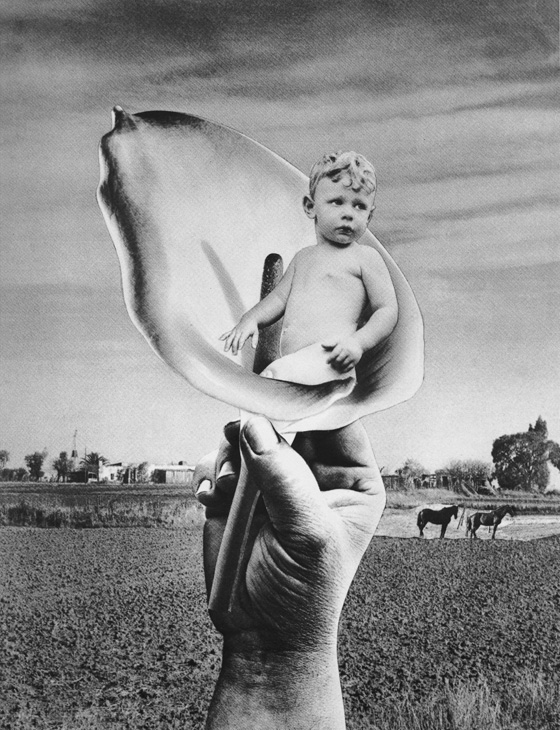
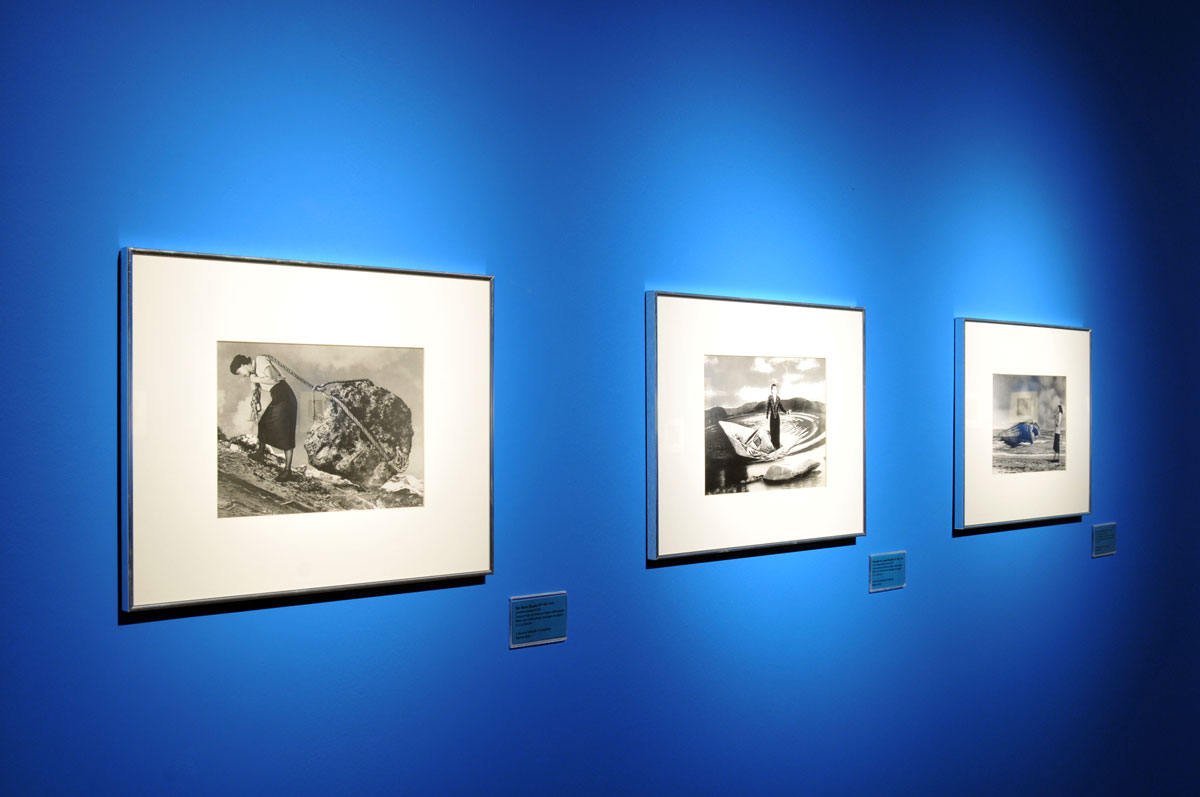
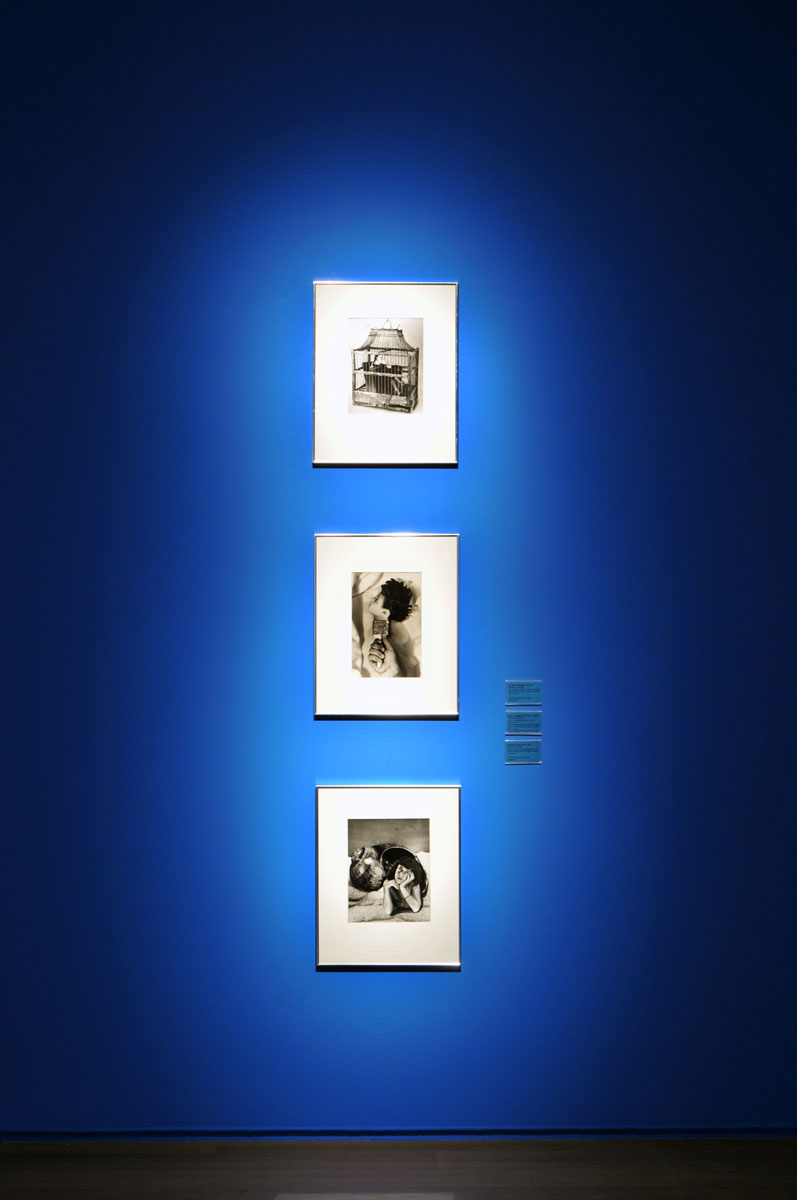
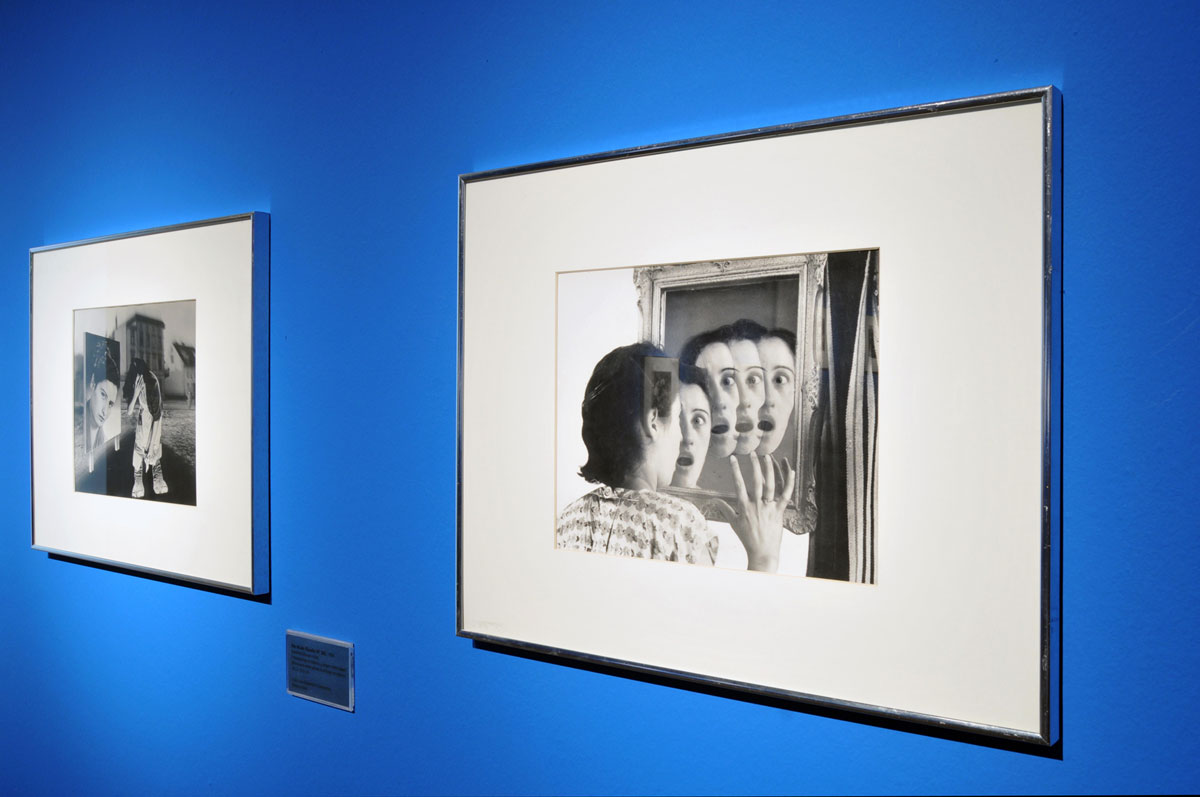
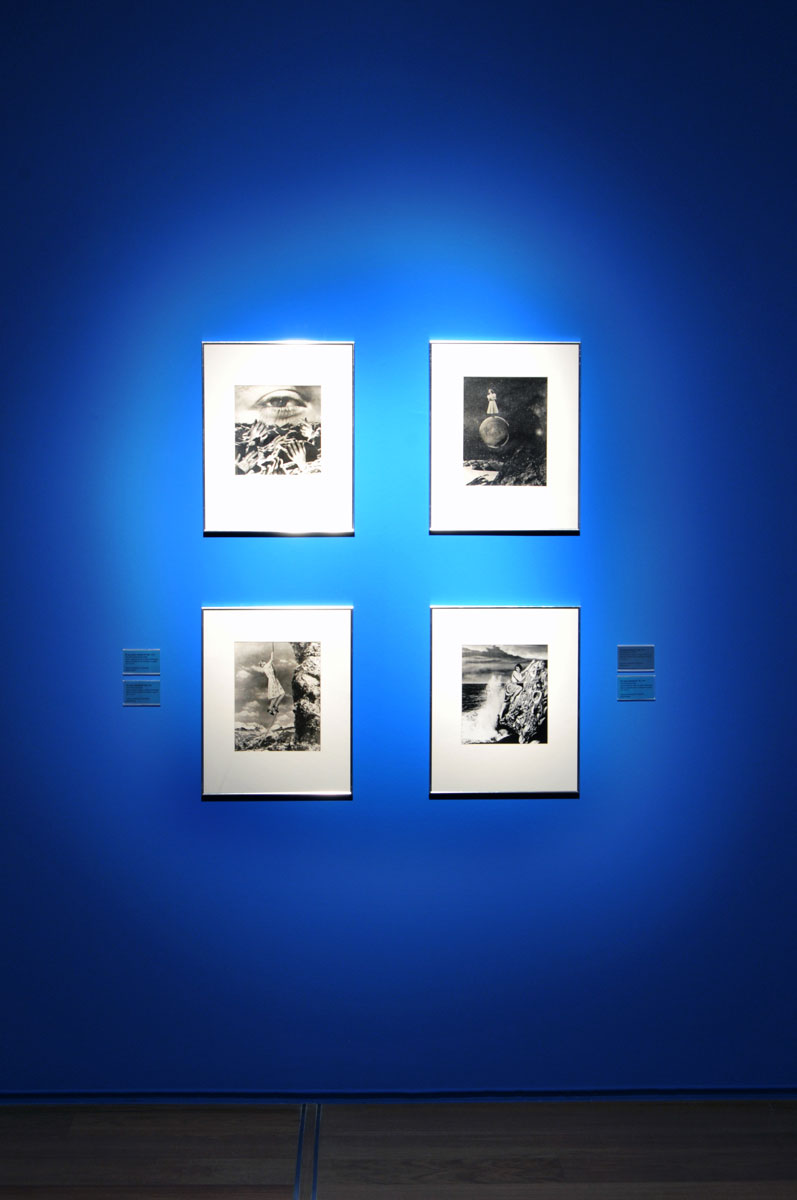
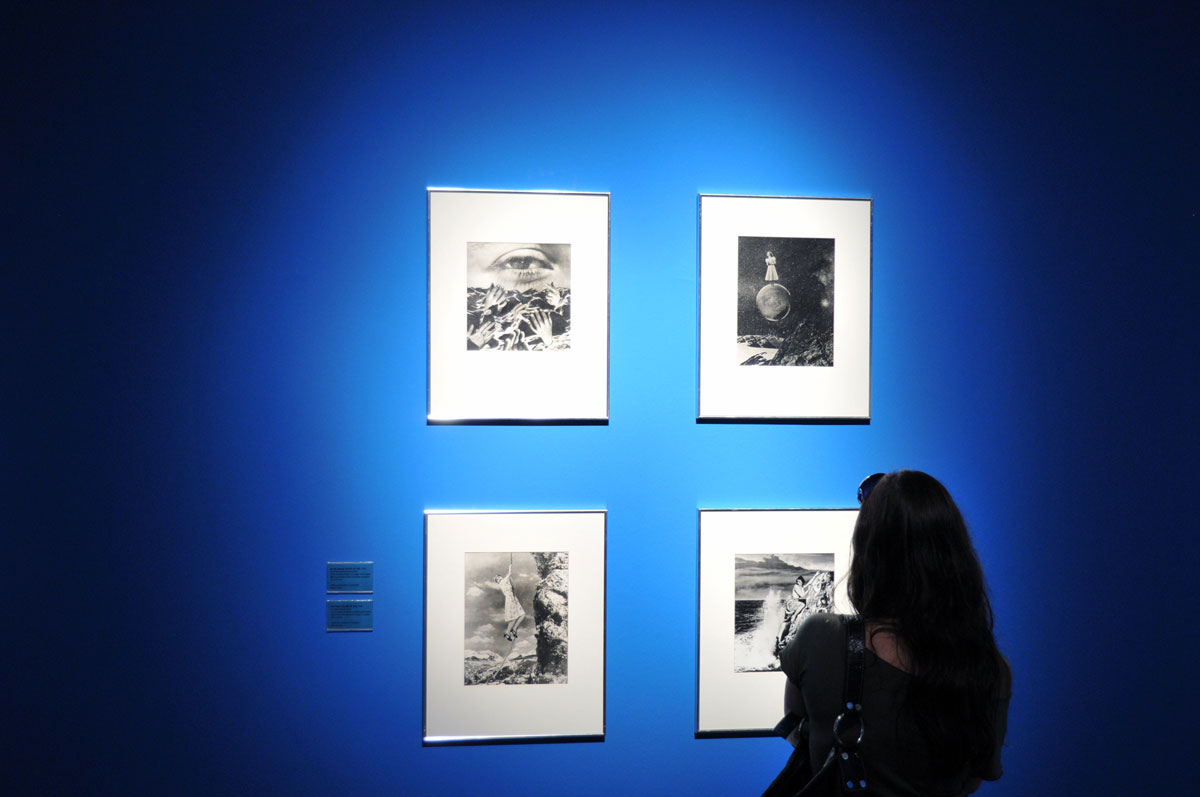
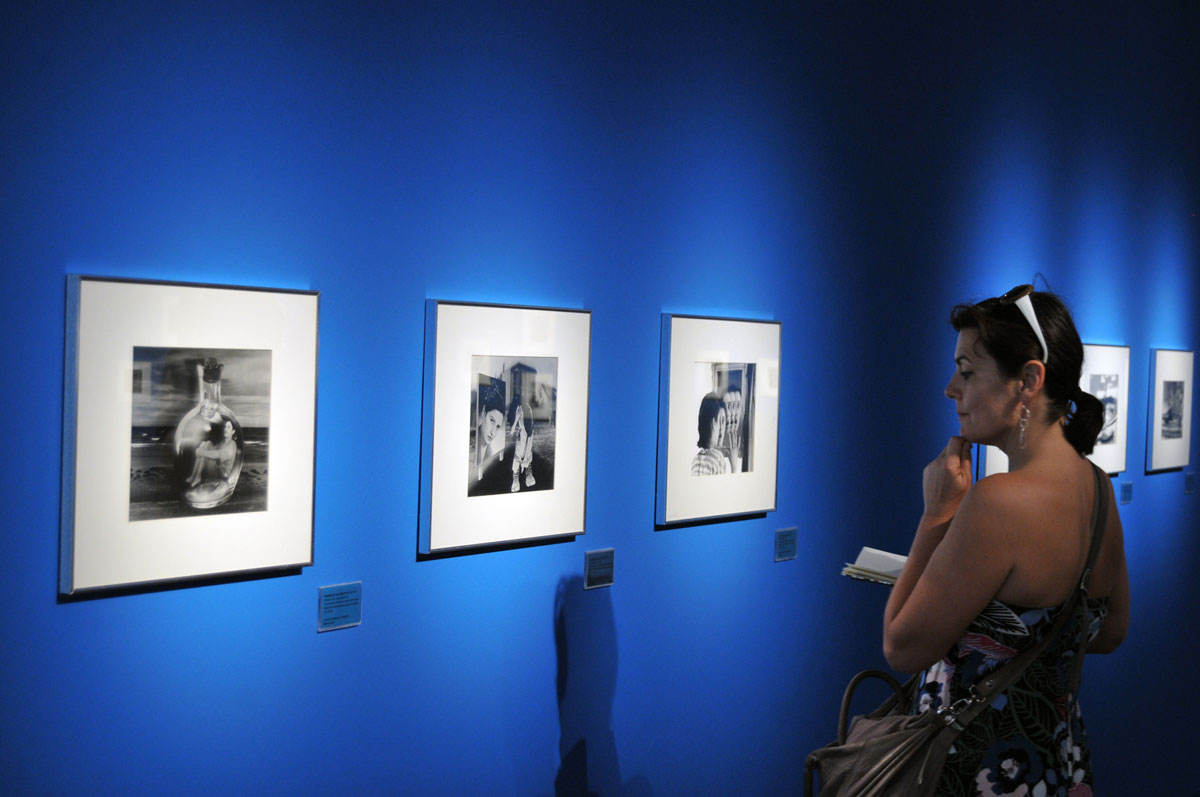
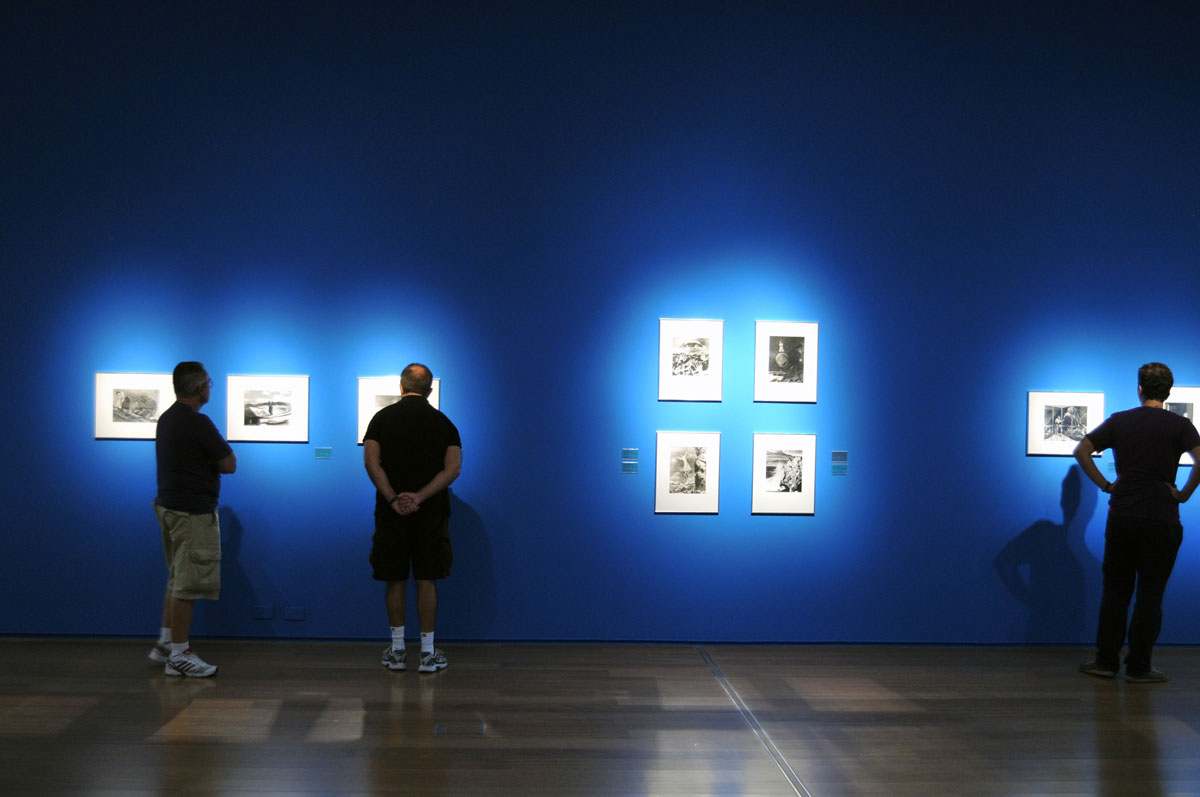
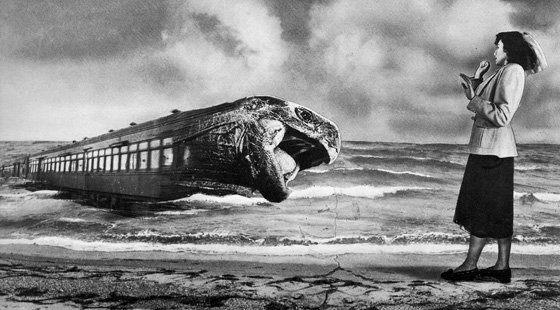
Malba is once again presenting the exhibition Grete Stern. Dreams 1948–1951, featuring the complete collection of 46 vintage photomontages from the Dreams series that Grete Stern published between 1948 and 1951 in the “Psychoanalysis Will Help You” section of Idilio magazine (Editorial Abril), a key production of the photographic avant-garde in Argentina. The pieces on display are part of Eduardo F. Costantini's private collection and constitute one of only five sets signed by the artist that exist in the world.
The photomontages were based on the analysis of dreams sent in by readers to the editorial office, interpreted by sociologist Gino Germani —director of Idilio— who signed his articles under the pseudonym Richard Rest. The collaboration lasted around three years and saw the publication of nearly 150 works. During the first year, Grete Stern photographed almost all of the photomontages before submitting them. Later, she practically abandoned this routine. That is why only 46 negatives remain today.
The subjects of the photos were her friends, family, and neighbors, and the complementary images —landscapes, backgrounds, objects, secondary characters— were taken from her own archive. "Since she had to deliver one photomontage per week, the work was intense. This demand left her little time to correct or retouch the pieces, and explains why she modified at least four photomontages after they were published," says Luis Priamo. As a result, today there are two versions of each of these dreams: the one in Idilio and the one in the author's archive.
Despite being published weekly for almost three years, the photomontages were completely ignored, largely due to the intellectual disrepute of this type of magazine. The series was first presented at the Faculty of Psychology of the University of La Plata in the mid-1950s. The first exhibition in Buenos Aires was held in 1967, in collaboration with the poet Elva de Lóizaga. In 1982, they were exhibited at the major FotoFest exhibition in Houston, United States. From then on, the series' prestige grew rapidly and it was the subject of numerous exhibitions. Some of these were in Argentina; others were at the IVAM in Valencia (1995), in France and Spain (1996), in Portugal and the Netherlands (1997), and in Germany (1998/1999). Today, the Dreams series is recognized in its original and true dimension.
Grete Stern
She was born in Wuppertal-Elberfeld, Germany, in 1904. Between 1923 and 1925, she studied graphic arts at the Kunstgewerbeschule in Stuttgart. He then studied photography with Walter Peterhans and, together with his friend Ellen Auerbach, set up a graphic design and photography studio in Berlin, which they called ringl+pit. In 1932, he spent two semesters at the Bauhaus photography workshop in Dessau, interrupted by the closure of the institution when Adolf Hitler came to power. In that political context, he decided to emigrate to England.
In 1935, she married Argentine photographer Horacio Coppola and made her first trip to Buenos Aires, where they both presented an exhibition at the offices of Sur magazine. The following year, their daughter Silvia was born, and the family settled in Argentina. Grete Stern began taking portraits of intellectuals and artists and, from 1940, the year her son Andrés was born, she worked for major publishing houses and advertising agencies.
In 1943, he held his first solo exhibition at the Müller Gallery and divorced Coppola. In 1945, the Concrete artists organized the exhibition Movimiento de Arte Concreto Invención (Concrete Art Movement Invention) at his home in Ramos Mejía. During this period, he took photographs of the Monument to Sarmiento, Auguste Rodin, and the Patios of Buenos Aires, a series he continued until the mid-1960s, and created weekly photomontages for Idilio magazine.
In 1956, Jorge Romero Brest invited her to organize and direct the photography workshop at the National Museum of Fine Arts, a position she held until 1970. In 1958, she became an Argentine citizen, and the following year she taught photography at the School of Humanities at the National University of the Northeast (Chaco), while documenting regional themes and the Jesuit ruins of Misiones. Traveling through almost all of Argentina's provinces, she produced several photographic series.
In 1964, she received a scholarship from the National Arts Fund to study the customs and habitat of the indigenous peoples of the Gran Chaco.
In 1972, she traveled to the United States, England, Germany, Greece, Israel, and France, where she photographed Parisian artists and writers. In 1975, she presented his first post-war photography exhibition in Germany at the Bauhaus-Archiv in Berlin, and in 1978, she participated in Experimental Photography in Germany, 1918 to 1940, at the Levante Gallery in Munich, which marked the beginning of the recovery of pre-fascist photographic memory.
In 1985, she decided to give up photography and gave her equipment to her students and collaborators.
Her photographs can be found in important private collections and in museums and institutions in Argentina and abroad, such as the Museum of Modern Art in New York (MoMA), the Reina Sofía Museum in Madrid, the Lasar Segall Museum in São Paulo, the National Museum of Fine Arts in Buenos Aires (MNBA), and the Malba Fundación Cosatntini, among others.